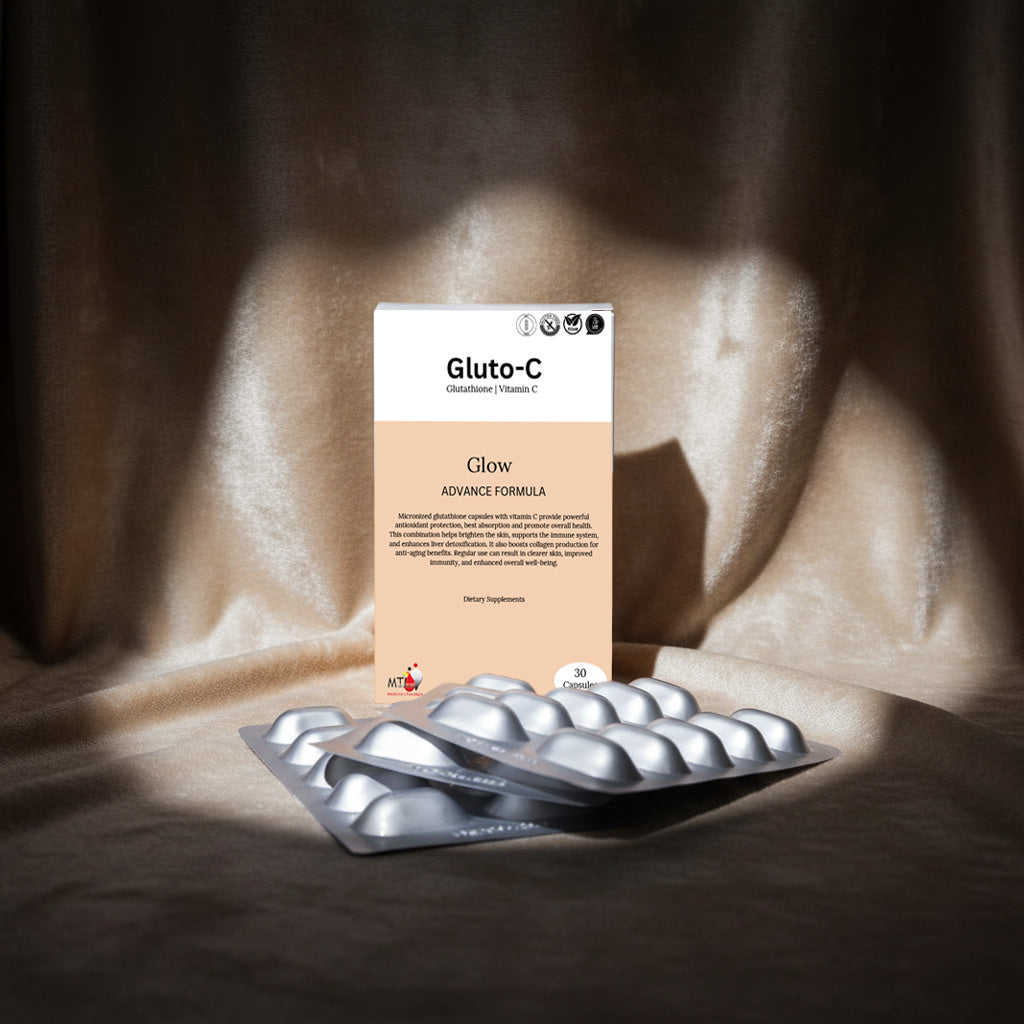
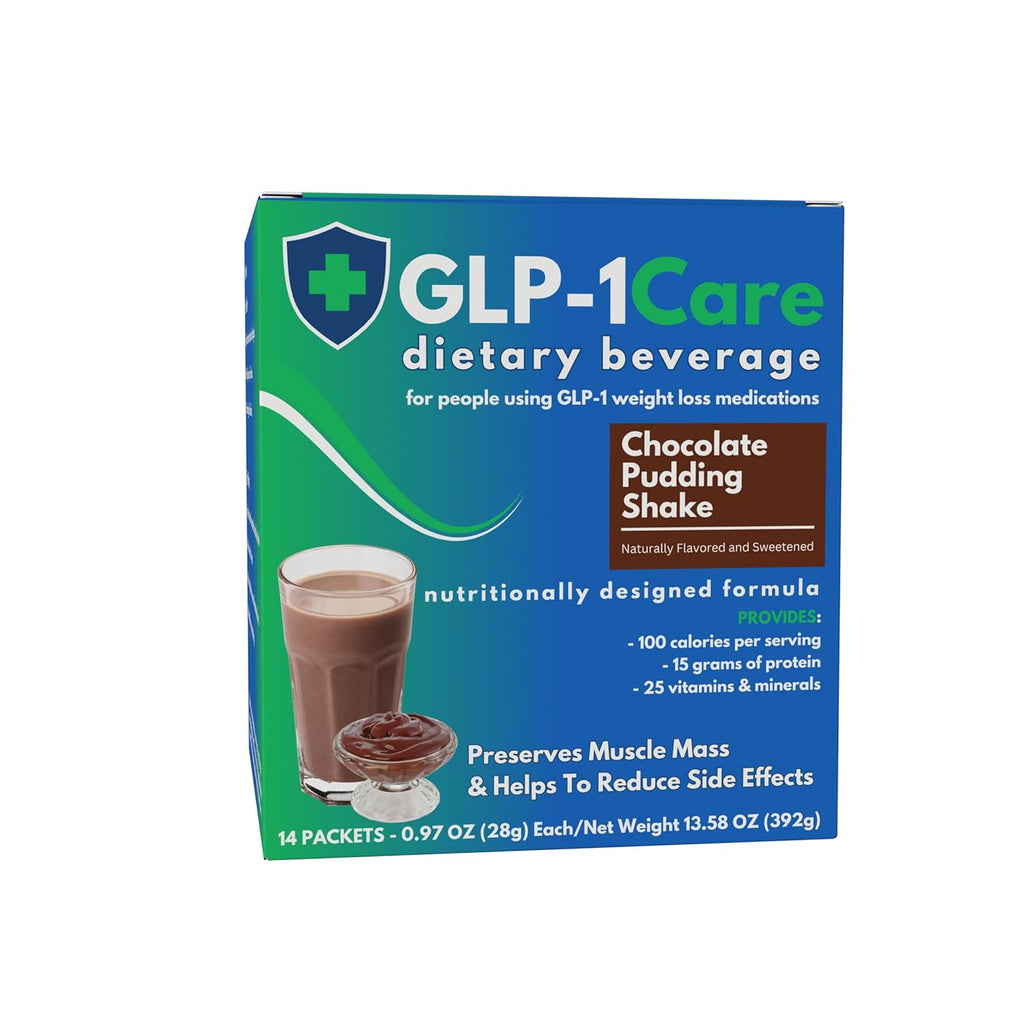
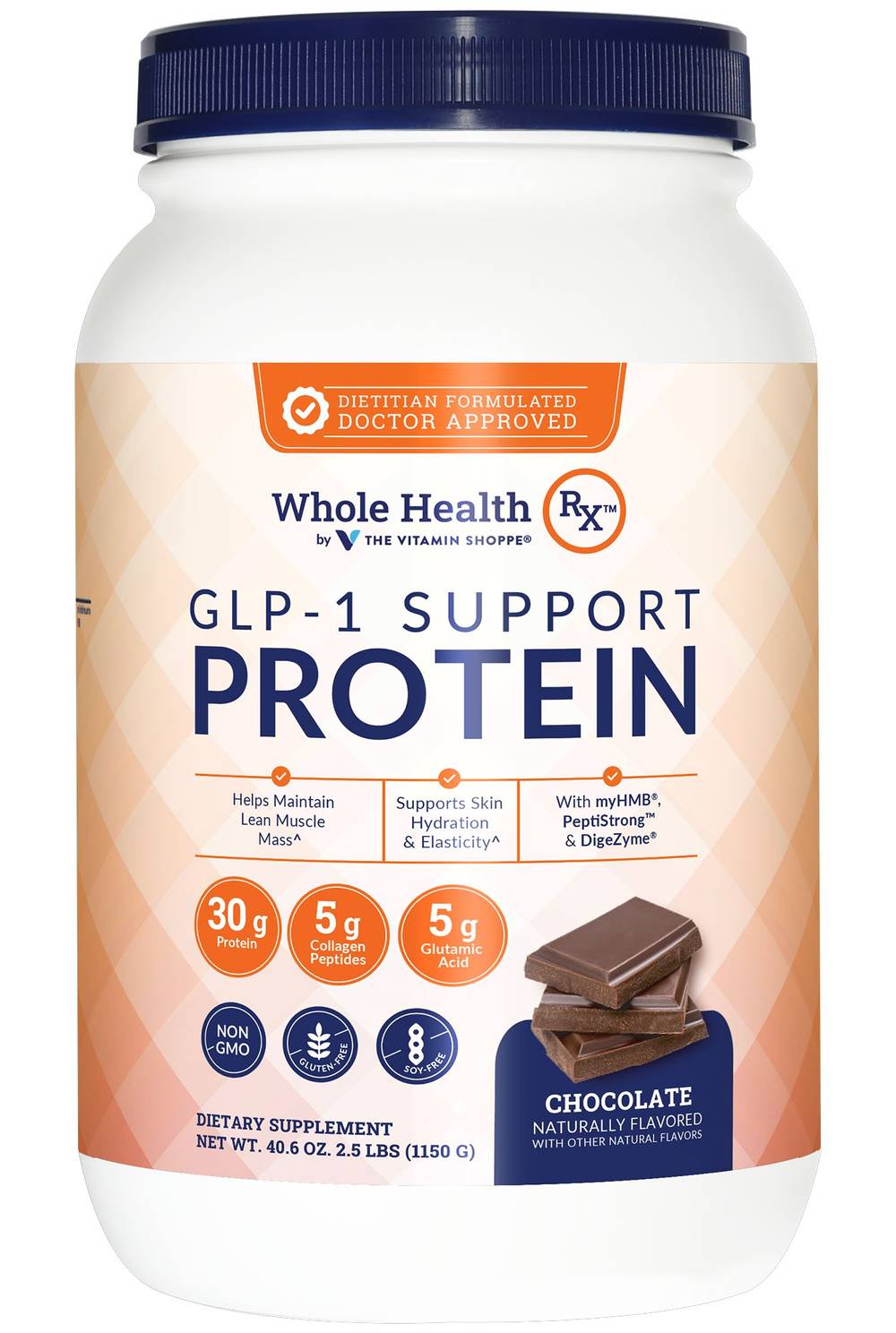
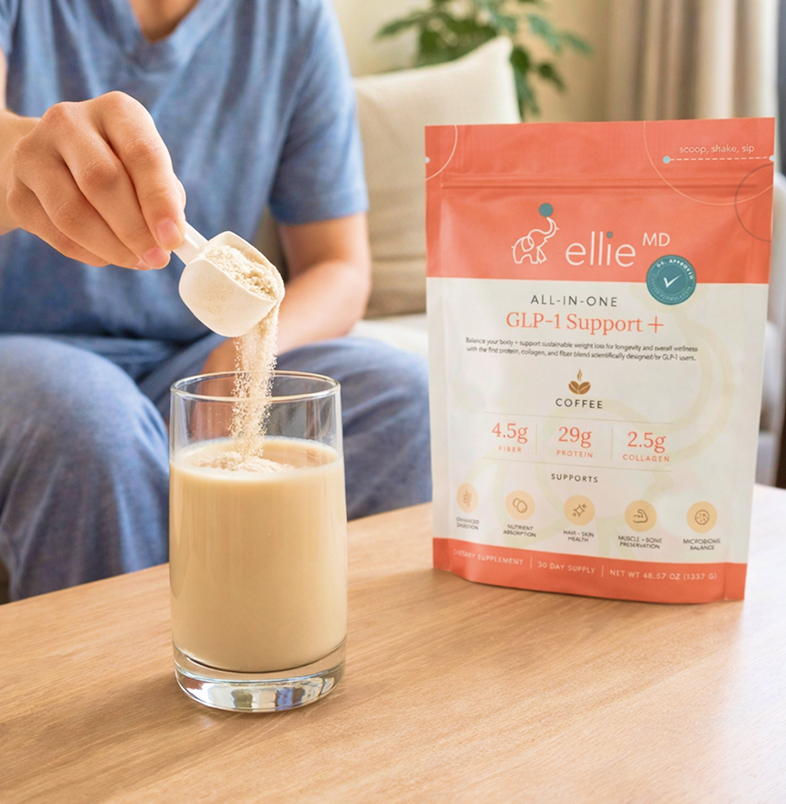
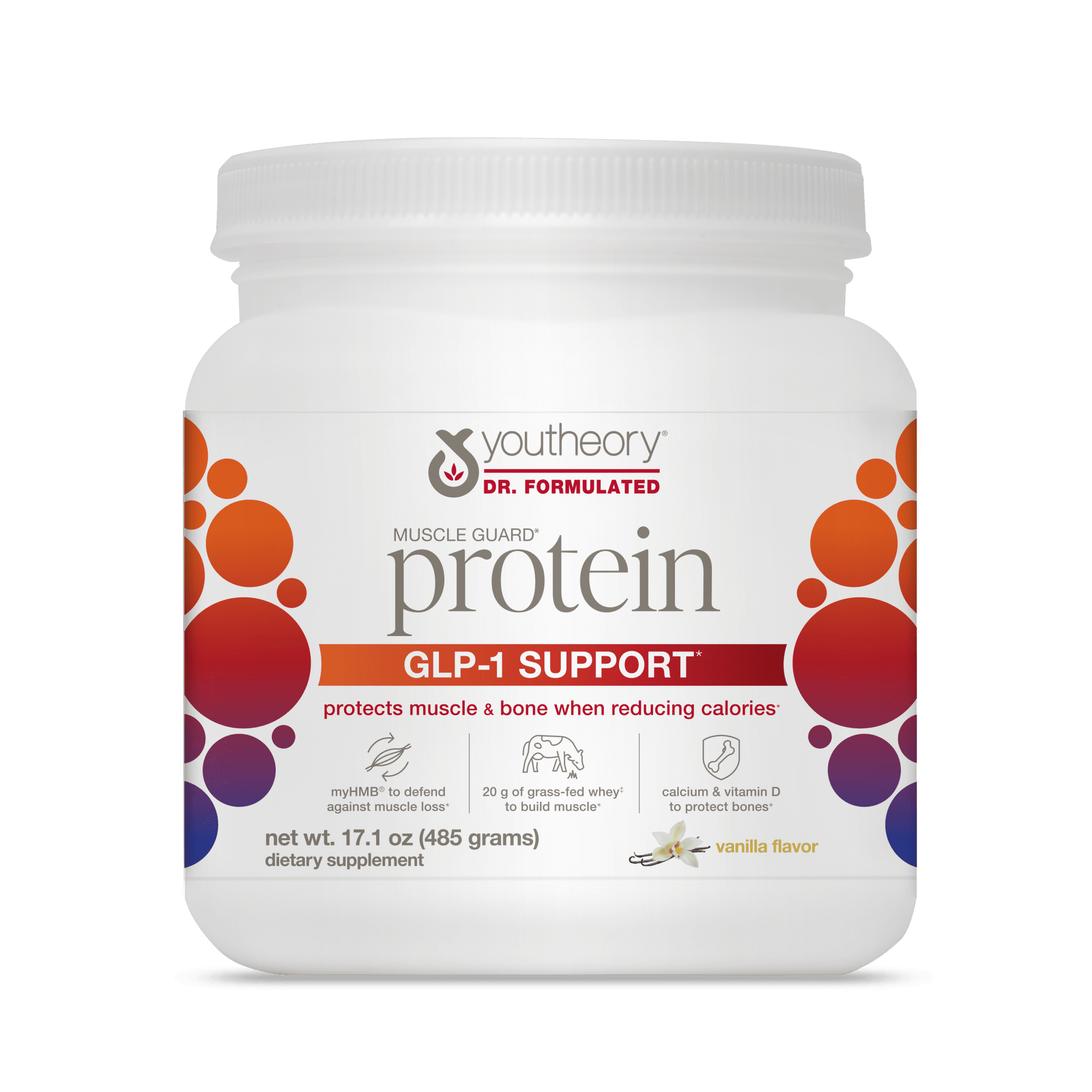
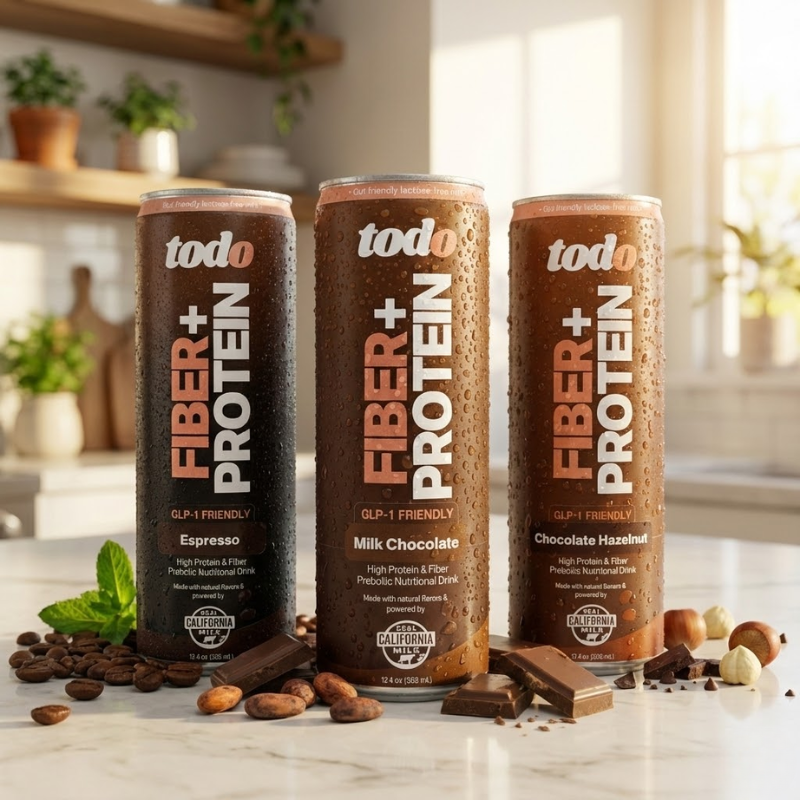
That's the whole label
Microneedling involves higher upfront and ongoing costs } Important Information GHK-Cu is not FDA-approved to diagnose, treat, or prevent any disease or medical condition Any compounded use must be prescribed by a licensed healthcare provider Injectable GHK-Cu is not FDA-approved and may carry additional regulatory and safety considerations All uses discussed in this article refer strictly to cosmetic appearance, not medical outcomes Consult a licensed healthcare provider before beginning any compounded treatment Final Verdict Both GHK-Cu and microneedling offer unique cosmetic benefits, depending on your skin goals, timeline, and routine preferences
Here we have addressed this issue by developing a suite of LC-MS/MS methods that enable the sensitive and simultaneous quantification of H 2 S, RSS , RS(S) n S and GSS
Lyophilized vs liquid peptide stability Lyophilized (freeze-dried) powder: Most peptides sold in this form Moisture removed via freeze-drying Very stable when dry Can last years if stored properly Requires reconstitution before use Lyophilized stability: Freezer (-20C): 2-5+ years for most peptides Refrigerator (2-8C): 1-2 years typical Room temperature: Weeks to months (varies by peptide) Key factor: Keeping it DRY (moisture is enemy) Liquid (reconstituted) peptides: Peptide dissolved in water Much less stable than powder Water enables hydrolysis Bacterial contamination risk higher Limited shelf life Liquid stability: Refrigerated with bacteriostatic water: 28-30 days typical Refrigerated with sterile water: 5-7 days maximum Room temperature: Hours to 1-2 days only Frozen (reconstituted): DO NOT FREEZE liquid peptides Key principle: Keep peptides as dry powder until needed, then use reconstituted solution within recommended timeframe
Six months later, no re-injury and I feel stronger than before
In fact, our preliminary results of spheroids models point out a protective effect of cysteine in ES2 but not in OVCAR3 upon carboplatin exposure (Suppl