Tirzepatide slowed the rate of decline in estimated glomerular filtration rate (eGFR) and reduced urinary albumin-to-creatinine ratio (UACR) compared with insulin glargine (UACR remained stable with tirzepatide but increased with insulin glargine), including in participants already receiving an angiotensin-converting enzyme inhibitor, angiotensin receptor blocker or sodium-glucose cotransporter 2 inhibitor (SGLT2i)

Factors affecting individual clearance Multiple factors influence how quickly peptides clear from your system: Body composition: Higher body fat may affect distribution and clearance of some compounds Kidney function: Renal clearance is the primary elimination pathway for most peptides Hydration status: Affects urine concentration and potentially detection thresholds Dosage: Higher doses require longer clearance times Frequency of use: Chronic use may result in accumulation Administration route: Injectable, oral, and nasal routes have different pharmacokinetics These factors create significant individual variation
These changes are a reflection of your bodys metabolic health rather than a direct result of GLP-1 medication
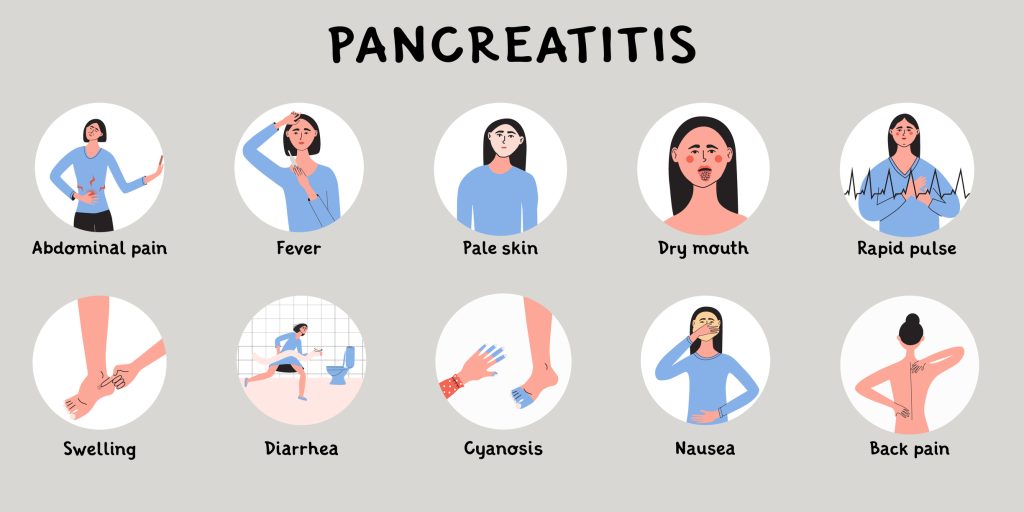
Recognizing symptoms, differentiating them from common Zepbound side effects, and taking immediate action ensures safety
Strategic Distribution Partnerships Enhancing Market Penetration Strategic collaborations between pharmaceutical manufacturers and regional healthcare companies are accelerating semaglutide adoption across emerging markets
That slightly exceeds the recommended 28-day stability window