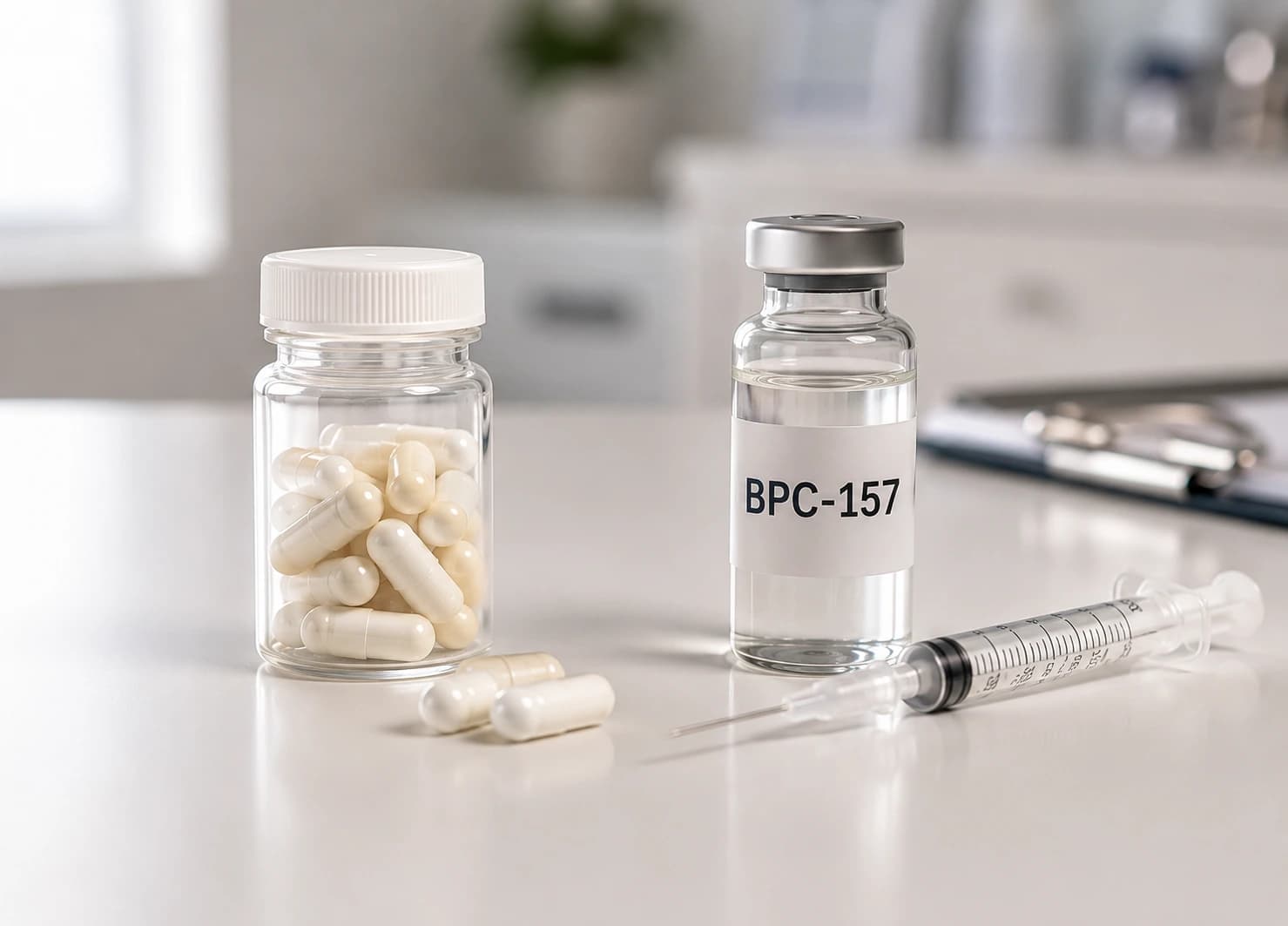
BPC-157, a stable gastric pentadecapeptide, works primarily through angiogenic (blood vessel formation) and nitric oxide pathways, showing particular efficacy in gastrointestinal, tendon, and ligament healing in animal models
Angiogenesis, wound-repair, and preclinical systemic effects In preclinical models, GHK-Cu promotes angiogenesis (new blood-vessel formation), attracts repair cells such as macrophages and capillary cells to injury sites, and accelerates wound healing across a range of tissues and species skin, hair follicles, gastrointestinal lining, bone, and more
The pathways with the strongest human-relevant evidence are the peripheral anti-inflammatory effects (reduction in systemic hs-CRP and cytokines) and the systemic metabolic improvements (glycemic control, weight reduction), both of which are well-documented in clinical data
J Pharm Sci 99:40054012
Furthermore, high seaweed intake was negatively associated with the incidence of MetS in men with the TG and TT genotypes of lipoprotein lipase gene (LPL) rs17482735 (31), However, another cross-sectional study conducted on school-age children and their parents revealed that high UIC was associated with MetS (30)
DLL1 (Delta-like Notch ligand 1) regulates monocyte cell fate via endothelial cells, and its elevated levels have been linked to diastolic dysfunction in patients with dilated cardiomyopathy 67,68